 Andarta
Which stone is suitable for outdoor use?
Granite is a popular outdoor choice because it is hard and weathers well. It is worth considering for inscriptions on an even surface or designs that use clean lines and strong contrast between the lettering and the background. Legibility varies with the stone’s color and finish, so ask to see a sample engraving on the proposed material. Granite for exterior use, Natural Stone Institute.
Limestone comes in colors and textures that can blend with the landscape, and it is often used for carving. Different varieties absorb very different amounts of water, so consider the specific stone and its location. If an inscription panel will be exposed to irrigation or standing water, ask how the stone will respond and what drainage is planned. Limestone properties, Natural Stone Institute.
When is a metal plaque a good choice?
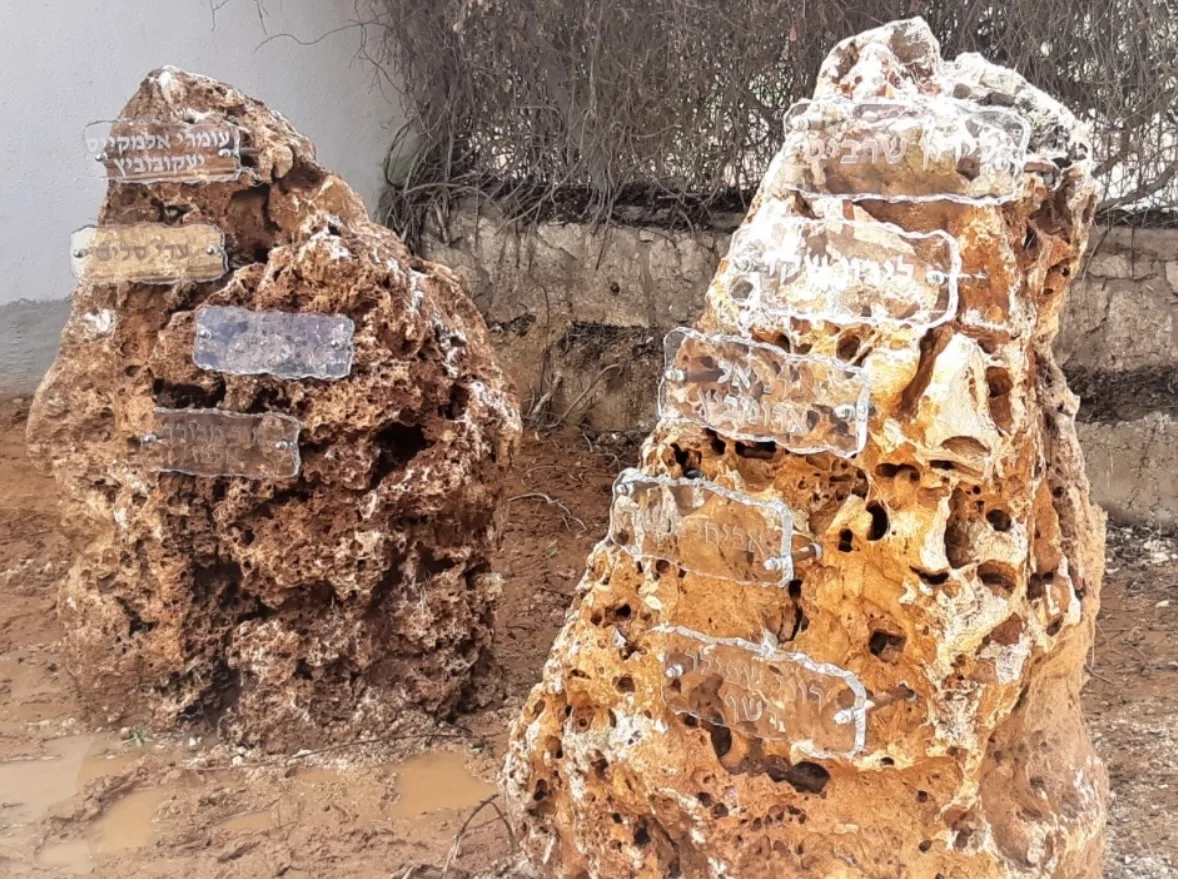
A metal plaque works well when space is limited, the text is detailed, the design includes a line drawing, or a separate element needs to be mounted on a wall or stone. Ask which metal is proposed, how the lettering will be applied, and how the plaque will be mounted. At sites exposed to rain or irrigation, or close to the sea, ask about the finish, fixings, and future care.
For bronze and other copper alloys, you can choose a patina, the surface layer that affects the depth of color and overall appearance. Outdoor conditions can change that color and sometimes leave marks on materials below. If a metal plaque will sit on pale stone, discuss at the design stage where rainwater will run. Caring for outdoor objects, Canadian Conservation Institute.
Review a sample in the light at the site
A studio photo can show the material’s color, but sheen, shadows in the lettering, and contrast change outdoors. Look at a sample in sunlight and shade, at the height and distance from which visitors will read it. Take the background into account. If the design combines rough and polished surfaces, look at both from the same spot to see which draws the eye first.
With a mixed-material memorial, agree on how the pieces will be joined, whether they will be accessible for maintenance, and how a component could be repaired or replaced. Ask who will check that the joints and fixings are appropriate for the site and the weight of the piece.
Plan for ongoing care
Ask for written care instructions specific to the selected materials and finish. Keep a photograph taken after installation for comparison. If a part loosens, the stone starts to crumble, or a stain spreads, photograph the area and consult a specialist before attempting to clean it. Acids and abrasive cleaners can damage some stones and finishes. Natural stone care and cleaning, Natural Stone Institute.
How to compare two material samples
If you have narrowed it down to two options, ask for the same test line on both, using identical letter sizes and spacing. Include smaller characters and numerals if they will appear in the final inscription. Place each sample against the material it will sit beside, such as a rough boulder, a wall, or another plaque. Let two people read the line before telling them which sample you prefer.
Note what each person could read at once and where they had to step closer, then photograph both samples from the same position. Once you choose, record the approved material, finish, and letter size in the specification. If the design uses natural stone with variation in colour, also review the actual area marked for engraving. Your choice is then grounded in what you saw and read, and everyone has a clear record of the approved sample.
In the gallery of stone sculpture for memorials you can see the difference between the rock’s natural surface and the areas shaped and carved by hand.