 Andarta
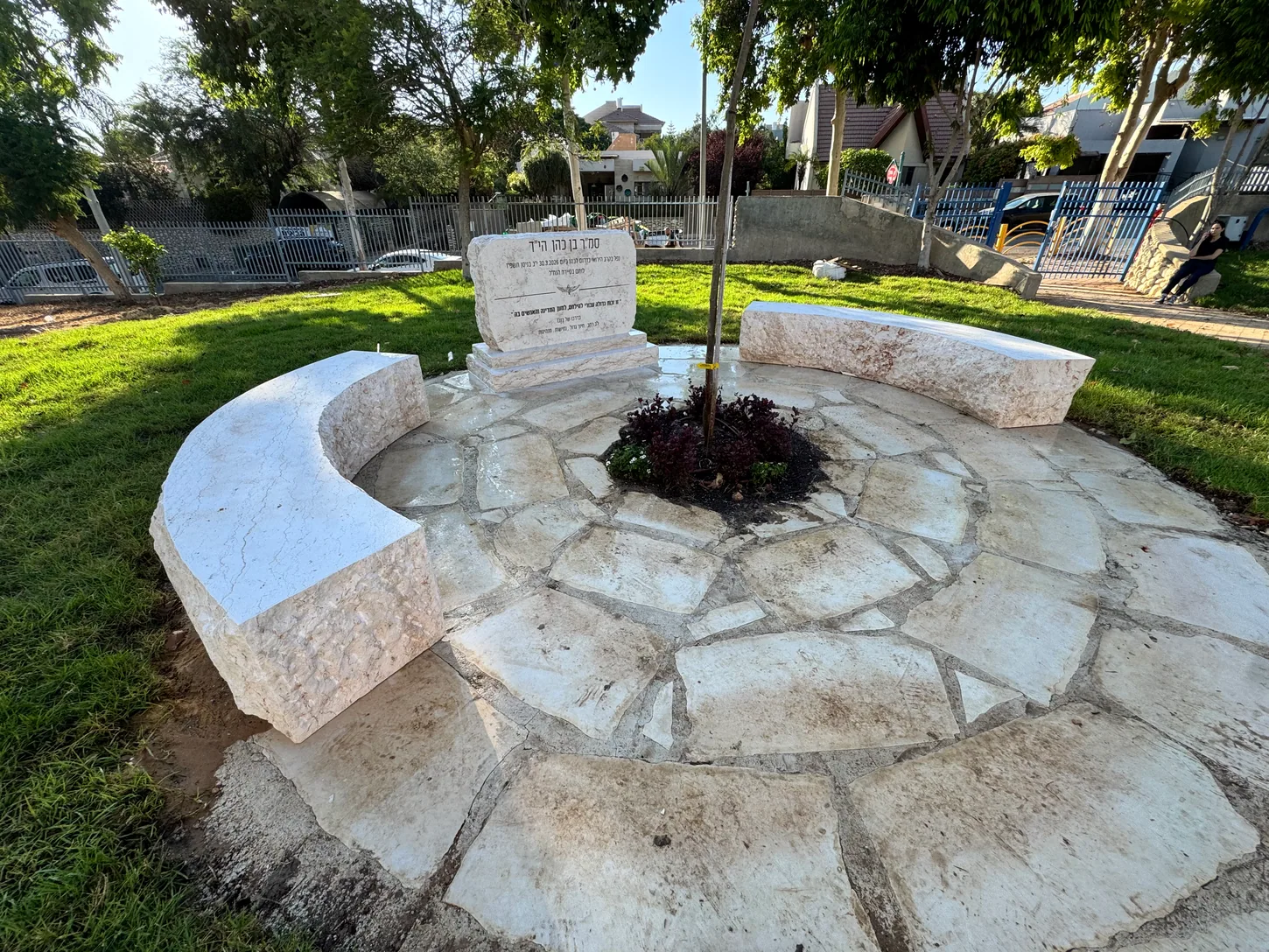
What is a memorial?
A memorial is a work that commemorates a person, a group of people or an event and creates a place where people can remember. It may be a stone or metal sculpture, an inscribed boulder or part of a memorial site with a path and seating. The story guides the choice of form, material and location, along with how people will approach the memorial, read its inscription and spend time there.
Start with the story the place will carry
In one sentence, write down who the memorial is dedicated to. In another, say what you want someone encountering it to understand or feel. A family memory might start with a familiar object, a gesture, or a phrase used at home. For a community memorial, agree on who will tell the story, who will have a chance to contribute, and who will approve the wording and design.
Bring photos, a drawing, a few written lines, or a memory you can tell aloud to the first meeting. Ask the designer how one detail could take a tangible form. A line on the horizon might shape the stone. A place where people used to meet might suggest seating or a gathering space.
Visit the site before finalizing the design
Walk the route visitors will take, from the parking area or path to where they will read the inscription. Check whether someone using a wheelchair or walker can follow it, where the light comes from, and where there is shade. Consider how the place will work for an individual visit and for a ceremony, and where someone could sit, leave a flower, or pause for a moment.
For a public or institutional site, name a point of contact to coordinate with the landowner and specialists. Utilities, slopes, drainage, delivery access, site works, and ground conditions can affect the shape, cost, and schedule. Ask the site manager what coordination, checks, and approvals this particular project requires. Site assessment and memorial maintenance principles, U.S. National Park Service.
Guide to choosing and assessing a memorial site
What should you compare in a quote?
The scope of the design, the material, dimensions, complexity of the stonework and lettering, and delivery and installation conditions all affect cost. Ask for a quote that shows what is included and who is responsible for each stage. Four questions make quotes easier to compare.
- What will you receive in the design phase, and how many rounds of sketches or renderings are included?
- Which material, finish, dimensions, and lettering method are proposed, and can you see a sample?
- Who will coordinate site preparation, transport, installation, and making good afterward?
- What is the proposed timetable, who will maintain the site, and what is likely to need attention over time?
Guide to memorial costs and comparing quotes
Review at full scale before fabrication
Ask for a drawing or mock-up with clear dimensions and the inscription in position. If possible, bring a sample of the material or a full-size printout to the site and view it from where visitors will stand. Circulate one version of the text for formal approval of the names, dates, and spelling. If a ceremony is planned, build in time with the installer for inspection and corrections after installation.
After installation, obtain a materials list and care instructions, take photographs of the memorial’s original condition, and keep the approved inscription file. A public body or institution should designate someone to check the site periodically and keep track of reported changes.
A one-page brief for everyone planning the memorial
Between the introductory conversation and the first sketch, start a short document with three parts. At the top, write who the memorial is for and who is likely to visit it. In the middle, record the decisions already made. At the bottom, list the open questions and who can answer each one. Anyone who joins the discussion later can see what has been agreed and what is still open.
For example, a family planning a memorial stone beside a path can agree from the outset that visitors should be able to stop and read without standing in the middle of the path. The stone’s height and the direction the inscription faces can stay open until the site visit. Ask for the first sketch to show the path, the stopping point, and the stone together. This makes the choice of location easier to understand before the discussion turns to colour or finish.