Remembrance in public spaces

Memorials and remembrance for local authorities and institutions

Where do visitors stop on an ordinary day? Where will the community gather for a ceremony? We design and install memorials and remembrance sites around the story a place needs to tell and the way people will encounter it.

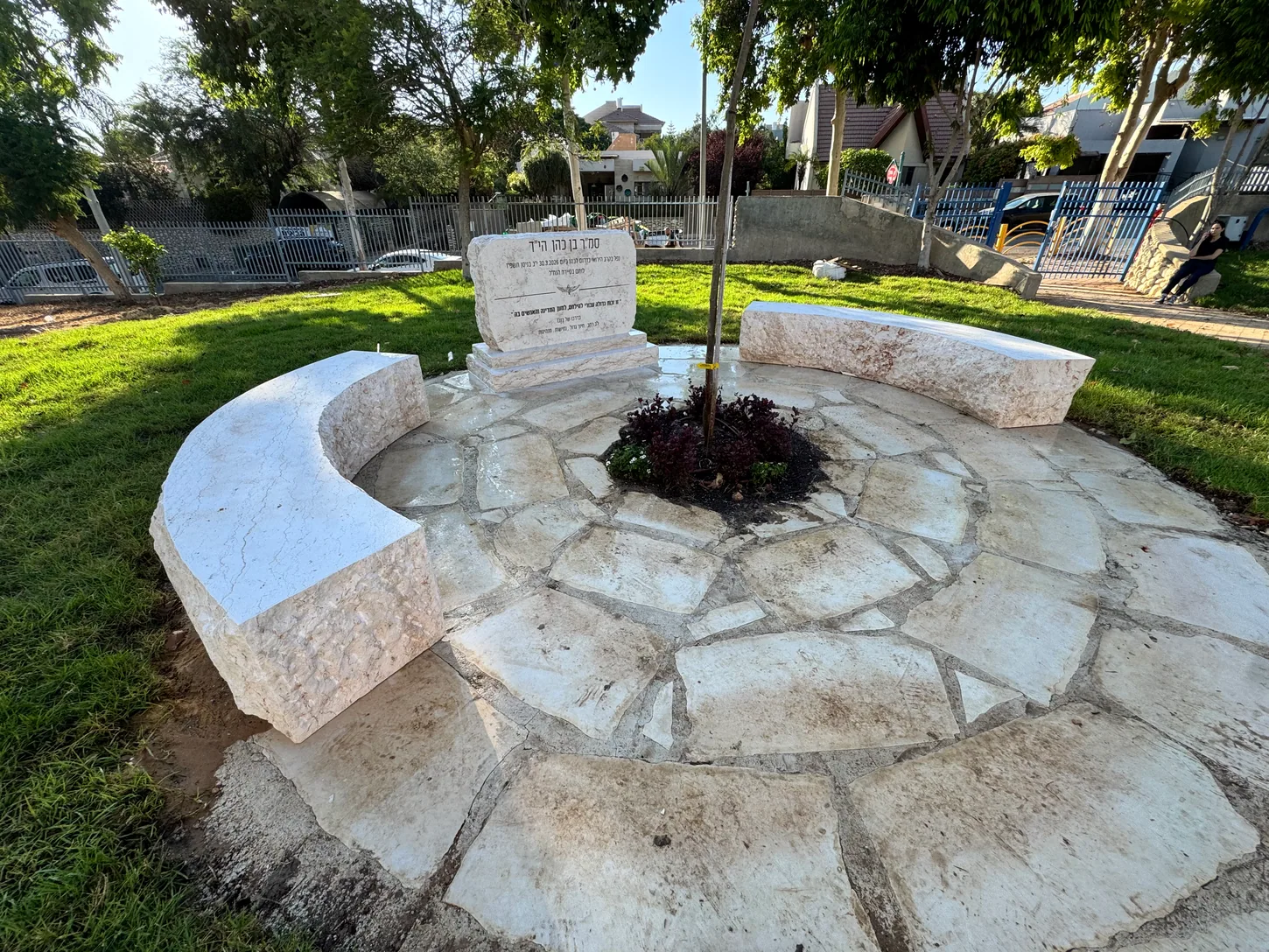
Memorial area with curved stone benches, a path, and a tree at the center
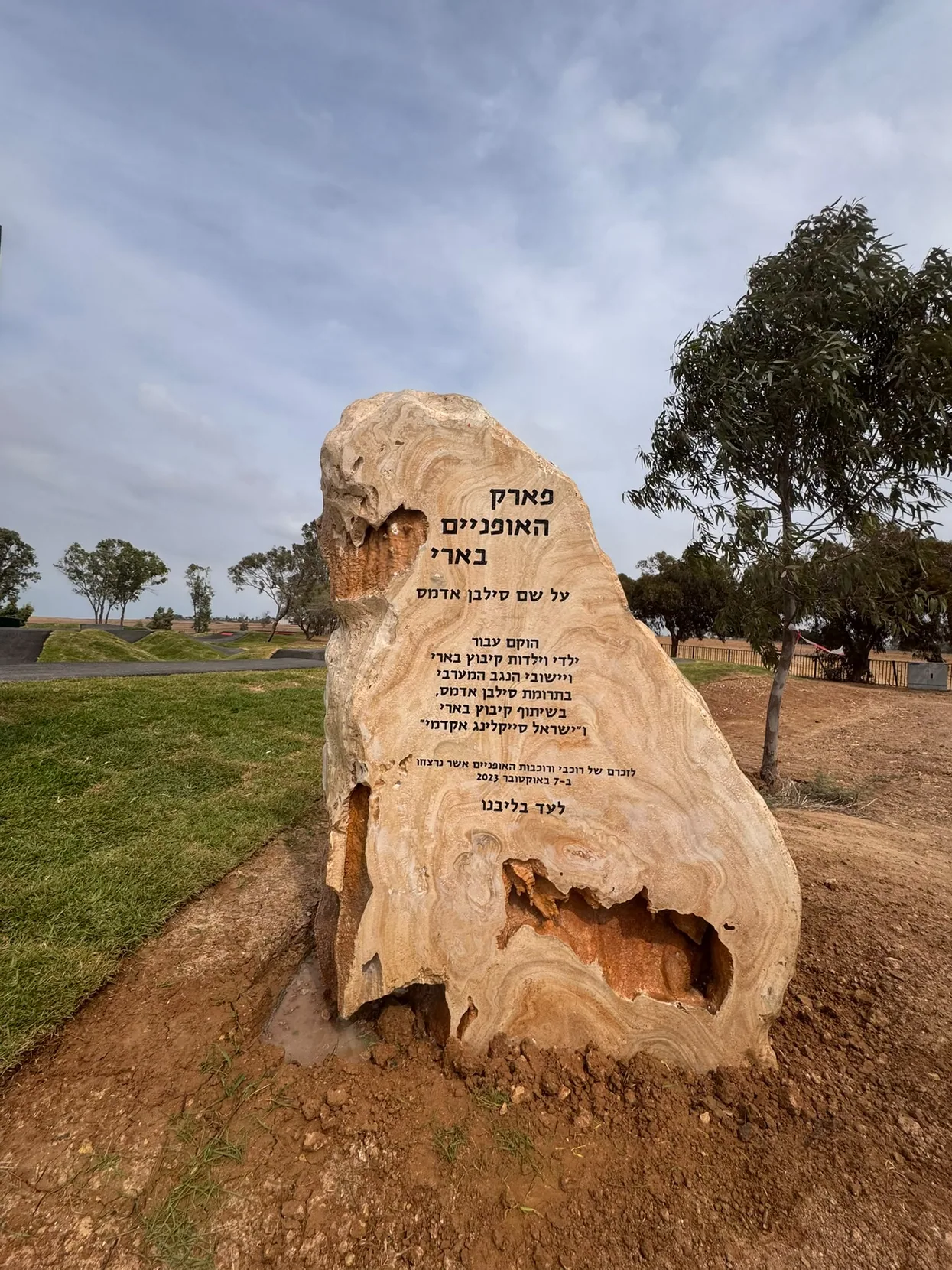
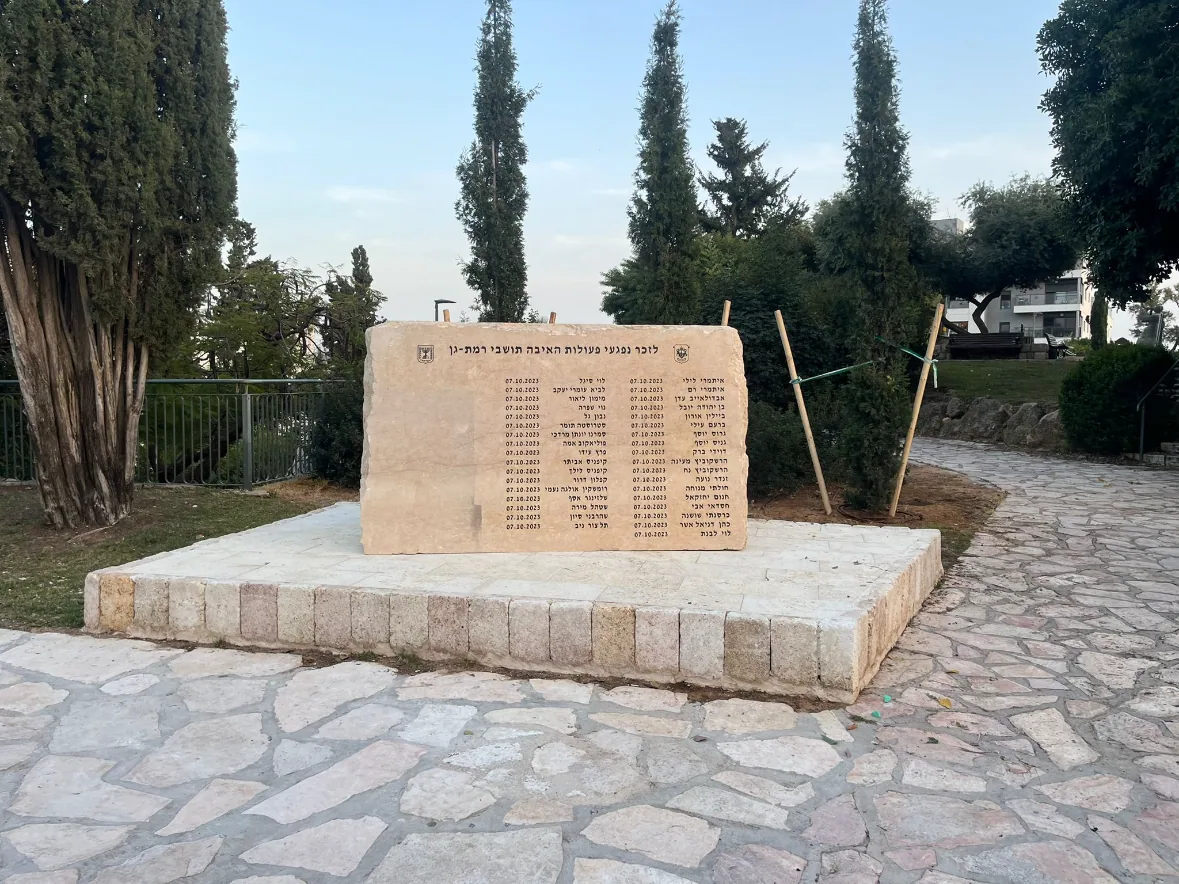
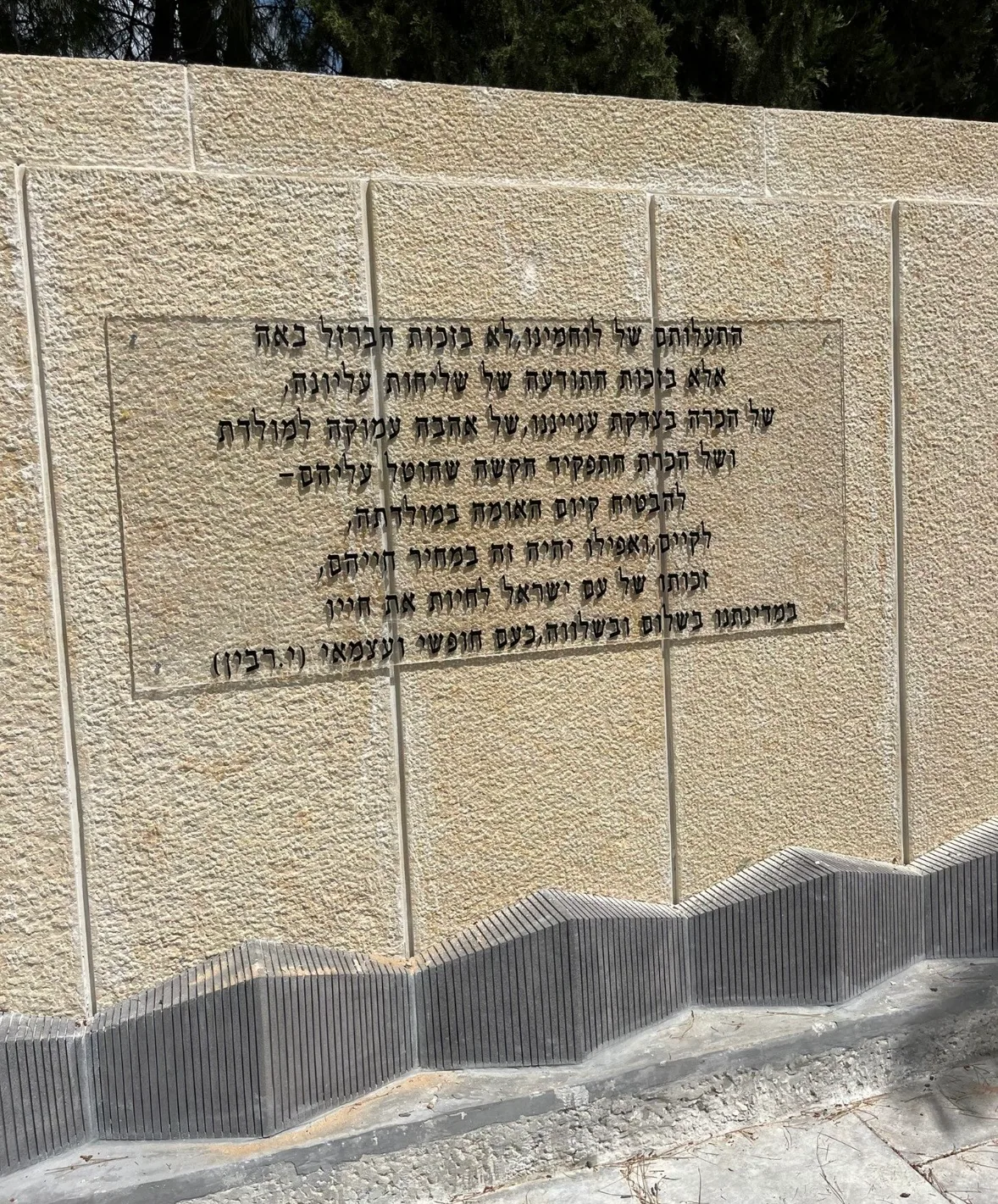
Natural stone memorial area, from our portfolio

From our portfolio

A place to pause and remember

A garden memorial, name plaques in a ceremonial plaza, and a memorial wall each pose different design questions. We consider what visitors can see from a distance, what they can read up close, and where they can spend time.

See more public memorials

Walk the site before drawing it

Start the site walk as a local resident would. Approach from the street, follow the route to the proposed site and notice where people slow down and what catches their eye. Then imagine a school group or people arriving for a ceremony taking the same route.

The approach to the inscription

Photograph the site from the entrance, from a natural stopping point and from where someone could read the inscription up close. The photographs help determine which way the inscription should face and what should be visible from the path. Note existing features that guide movement, such as a shaded bench or a bend in the path.

The same space during a ceremony

Mark where the audience and speakers will stand, where wreaths will be laid and which route will remain clear. Once these details are on the plan, check whether people at the back can see the monument and whether late arrivals can approach without passing between the speakers and the audience.

What visitors see on an ordinary day

Look at the wall or stone when light reflects off it, when the irrigation runs or when leaves gather around the base. Ask the maintenance team what needs regular attention. That information helps you choose a finish and place the inscription with the actual conditions in mind.

At the end of the visit, put the approach, the reading point and the gathering area onto one sketch. It gives the maintenance team, community representatives and ceremony organisers a shared starting point for discussing the memorial.

You can supplement the sketch with a memorial planning brief that records the decisions you have made and the questions still open.

How to assess a site for a public memorial

Planning, design, and installation

From the site to the drawing board and back to the site

A memorial’s form depends on how people use the place. We bring the authority’s or institution’s goals together with the material and the conditions for installation.

  1. Get to know the site and its visitors

    Define the purpose of the memorial and who will visit. Review the route to the site, access conditions, and the space people will need to pause or gather for a ceremony.

  2. Develop the design and approve the wording

    Choose a form, material, and finish. Review the legibility and the names with those responsible for approval, then agree on what the studio will handle and what the site preparation includes.

  3. Carve the stone and coordinate installation

    Once the design and wording are approved, we move on to carving, finishing, and engraving. We coordinate delivery access, site readiness, and the installation date with the people on site.

For project leads at local authorities and institutions

What should you prepare for a planning call?

You can get started while the project is still taking shape. Sharing what you already know helps establish what can move ahead and what needs a joint decision.

Contact us on behalf of an authority or institution
  • The site and how people use it

    The address or approximate location, photos and dimensions if you have them, and how residents, students, or visitors use the space.

  • The story and the people involved

    Who or what you want to commemorate, whom to involve, and who will approve the design, wording, and names.

  • Project scope

    An approximate budget, preferred timing, and a point of contact. Note whether site preparation is managed separately and who will maintain the memorial after installation.

Questions before you begin

Read the memorial planning guide
Can we start before choosing a site?

Yes. Decide who or what the memorial will commemorate and what you want visitors to encounter. Then compare possible sites by ease of access, current use, and how well they can be maintained over time.

What affects the project budget?

Size, stone type, the complexity of the carving and inscription, delivery conditions, and site preparation all affect cost. Before comparing quotes, check which work each one includes and who is responsible for each part of the project.

We have a ceremony date. When should we get in touch?

Share the date in the first conversation and establish who needs to approve the design and wording. Timing also depends on fabrication, site preparation, and coordination for installation.

How do you approach an October 7 memorial?

Begin by asking families and the community what they want to share and preserve. Agree on who will approve names, photographs, and wording before design and fabrication begin. Read the guide to October 7 memorials.

Inquiries from local authorities and institutions

Let’s start planning

Tell us who is leading the project and what you already know about the site and timing. You can share photos or a site plan later in the WhatsApp conversation.