 Andarta
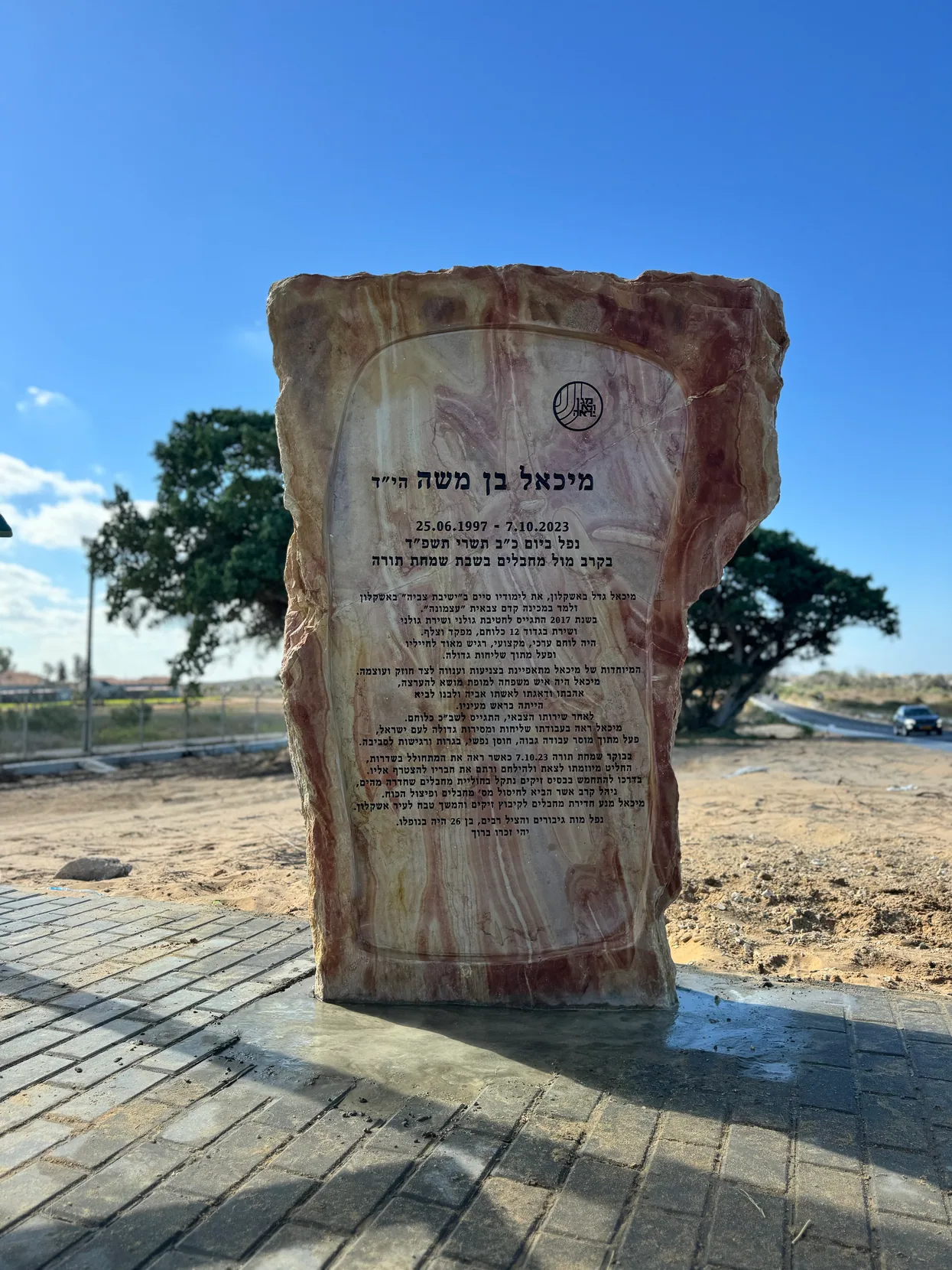
Let families choose how to take part
Ask people how they would like to participate. Some may want to speak. Others may prefer to send a photo or write a few lines, and some may need time to decide. You can start by asking about the person’s life, a place they loved, or a detail the community often recalls.
Before using someone’s photo, handwriting, recording, or story, explain where it will appear and who will have access. Ask for consent for that particular use. Give the person a chance to review the wording and context before it is published or engraved. Keep the permissions with the approved version. Best practices for sharing testimony and stories, Oral History Association.
Connect the memory with a place
The place where events unfolded can hold deep meaning. A community garden, a favorite path, or a corner of an institution where the person spent time can also become a place to remember. When you visit a prospective site, picture two moments: one person coming to read quietly, and the community gathering on a day of remembrance. Look for a safe approach, somewhere to pause, access to the plaque, and room to step away for a moment.
If the site is near a road or shoulder, or most visitors will come by car, discuss access, traffic, and parking with those who manage it. Access and safety issues were identified in a review of memorial sites along Route 232 and in Ofakim. State Comptroller report on recovery and the review of memorial sites.
Give the story form through materials
For a personal memorial, a familiar gesture or a line of handwriting can shape the stone or determine its scale. A memorial for a whole community can connect its elements through the landscape or through a path that leads from a distant view to an inscription visitors can read up close. Ask to see the concept at visitor eye level and in relation to its surroundings so you can see how the form and the names read together.
If the memorial includes a list of names, agree on who it includes and how the names will be ordered. Review spelling, dates, transliteration, and line breaks with the people responsible for approval. If more material may be added in the future, allow space for a further plaque or a record the community can update.
Make space for the years ahead
Decide who the site contact will be after installation, who will care for the path and lettering, and how visitors can suggest a correction or ask a question. If there will be annual ceremonies, plan how people will reach the memorial, where they can lay flowers, and how anyone who wants to sit can take part. These decisions shape what a visit feels like both on the day of a ceremony and on an ordinary, quiet day.
If you are planning a memorial with a public body, our page on building memorials for local authorities and institutions explains how to prepare for a site visit and coordinate with everyone involved.
Reviewing a shared draft at a pace families can manage
When several families are involved in a memorial, send a short sheet in advance showing the proposed text and where each part will appear. Give each family one person they can speak with privately. Invite them first to check what directly concerns them, including the name, photograph, or words about the person. Then ask for comments on the shared dedication, leaving room for replies after the meeting.
End each round with two simple questions. Which words would you feel comfortable having a visitor read at the site? Which part would you like to see again once it has been revised? Return the updated lines with the context in which they will appear so they can be reviewed afresh. If a personal detail needs more time, allow for it in the schedule and move ahead with the decisions that are already settled.