 Andarta
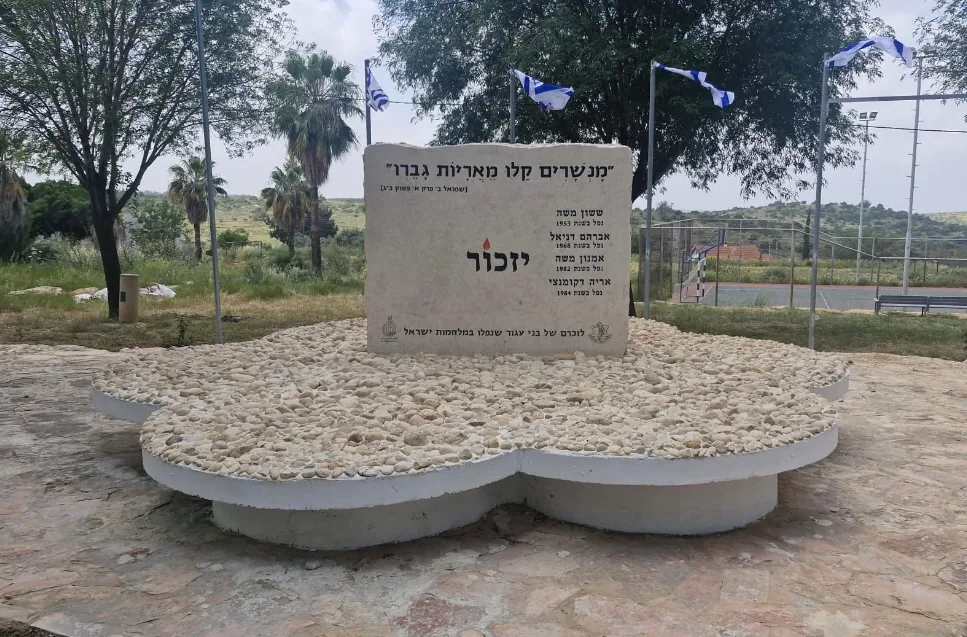
Start with three kinds of visit
Imagine a council choosing between two spots in the same park. One is a plaza at the entrance, where a memorial is easy to see from a distance. The other lies farther inside, near a tree and a side path. The plaza offers room to stand, and the shade makes it pleasant to linger. To decide, test each spot for a short visit, a guided group and a ceremony where some people stay to talk afterward.
For an individual visit, look for a place to stop and read while others pass. On a guided visit, look for a spot where students can hear the guide and see what she points to. For a ceremony, ask where attendees will be welcomed and how the crowd will disperse. The same memorial can serve all three if the reading area sits close to the plaza and an open route connects them.
Approach the memorial as a first-time visitor
Start where people will actually arrive, such as the main gate, a bus stop or the path from nearby parking. Give someone who was not involved in planning a brief description of the destination and ask them to walk there. Watch where they slow down to find their bearings, take a wrong turn or recognize the memorial. A sign may be most helpful at the first junction, while the site remains out of view.
Photograph the approach at eye level from both directions, including a lower vantage point. Check whether a shrub, bench or sign hides the plaque or obscures the plaza entrance at any turn. On the same walk, mark spots where a place to rest is missing. Consider how many decisions or physical efforts the route demands of someone arriving alone, and which of those you can address by changing the location.
Test the route out as well. Someone who arrives for a ceremony with a group may leave alone around sunset or as the plaza clears. Walk from the plaque to the gate without relying on the route you used on the way in. If a path that looks clear on the park map appears on site to lead somewhere else, record the point of confusion and see whether moving the memorial would resolve it.
Set up a mock-up, then step back
A photo of an empty site can give a false impression of height and distance. Put up a temporary mock-up at the estimated height of the memorial and attach a printed inscription. Ask one person to approach from the path and another to stop and read. Note where the first realizes there is somewhere to pause and where the second can read comfortably. That helps you decide whether to turn the plaque or move the reading point altogether.
Return when the site is most likely to be used. If you can see the heading but some of the names disappear in shadow or glare, photograph the result and measure where you stood. The relationship between the surface, the light and letter size is easier to see in this test than in a rendering. Follow up with the guide to inscriptions on memorials and plaques.
Keep a route open during a ceremony
In the example park, the shaded spot looks suitable until a group arrives. As soon as the guide stops in front of the plaque, the people at the back end up on the path. Before ruling the site out, try turning the group or marking out a small gathering area to one side, where everyone can stand without turning away from the inscription. Leave room for visitors who arrive on their own while the group is there.
During a ceremony, picture the moments when people stand, lay flowers or leave before the event ends. Include temporary features on the site plan, such as the speaking position or the point from which attendees approach to lay a wreath. If you are planning with a public body, our page on Memorials for local authorities and institutions sets out questions to help the site team, families and organisers coordinate.
At the time planned for school visits, stand where the guide would speak and ask someone else to stand at the back of the group. If there is a playground or busy walkway nearby, listen when that area is in use. Simply turning the group or moving the introduction to a quieter corner may help. Then make sure the walk from there to the plaque is still short and clear.
Give reading and resting their own space
The inscription needs a point where visitors can approach and pause. Seating can sit a little farther away, somewhere people can stay without blocking access. When choosing between two spots, check whether visitors can move clearly between reading and resting, even while someone is at the plaque. Ask people with different mobility needs about the approach and how comfortable it is to stay there. Pass their observations to the design team.
Try visiting at midday and again when plants cast shade on the path. If one option offers better shade, consider leaving the inscription in a well-lit spot and placing the bench in nearby shade. People can then sit and talk, and the inscription remains visible to visitors making a short stop.
Walk the site as if you were maintaining it
During the site visit, look at what happens around the proposed location. Note where the irrigation is aimed, where leaves collect and where you have seen signs of standing water after rain. Ask the maintenance team how they usually reach the area and what extra tasks the memorial would create. A short move along the path can leave room for maintenance and spare the site a larger redesign.
Send the site manager one photograph from the approach, one from the reading point and a short list of the tasks you identified. Ask which can fit into routine maintenance and which need separate coordination. If the two sites require different preparation, check how those tasks are listed in the quote using the guide to comparing memorial quotes.
Compare both options on one page
Sketch both options at similar scales with the same symbols. Mark the approach, reading point, place where a group waits and the route onward. Write a testable observation next to each mark. From the gate, for example, you can see the edge of the plaque, but the inscription only comes into view after the turn. That detail helps you choose which point to revisit and what to change in the design.
In the example, you could choose the entrance plaza and add shaded seating along the side path. You could also set the plaque near the tree if there is room to stop alongside a clear passage. Record what decided the choice so the designer, the commissioning team and the site manager can explain the conditions under which it works.
What to bring to your first site visit
Bring wide-angle photographs, a sheet for marking stopping points, a tape measure and a sample inscription you can read while standing and seated. Ask one person to play the first-time visitor and another to note where they turn, pause and step closer. Choose a typical visiting hour and a second time when the light differs. At the end of each walk, mark the changes you want to test next on a single photograph.
Once you have a preferred site, list the small adjustments worth testing, such as turning the plaque or moving the bench. Then use the memorial planning brief to decide who refines the design and who checks that each type of visit still works.