 Andarta
Describe one moment you can picture
At the start of the conversation, it is easy to settle on words everyone agrees with, such as generosity, courage or love of family. Try pairing each quality with a moment that brings it to life. How did you notice their generosity on an ordinary day? What was on the table when guests arrived? What would they say on the way home? Details like these give the design a starting point the family can recognize even after the idea takes on a different form.
Give anyone who wants to participate a separate sheet. Ask them to write down a detail they can picture, something the person often did and a memory tied to a place. Some will write straight away. Others may want time or bring a photo to the next meeting. As you read through the sheets, notice recurring details and the ones that open up a conversation. A fitting detail can come from a single memory, even if only one person was there.
Decide what visitors will be able to learn
Two relatives can remember the same person in very different ways. One may want a photograph and full name, while another prefers a symbol that makes sense to the family. First agree on who the memorial is for and who might happen upon it. If it stands beside a public path, for example, someone who never knew the family may stop to read. Ask what line would help them understand who the site is dedicated to and which details you would prefer to share in conversation.
Before choosing a photograph, a personal quotation or additional names, go through the material with the relatives concerned. If you have yet to reach an agreement, keep the detail in a family document and continue developing the memorial's form. You can move the sketch forward without rushing a decision that will be hard to change after engraving. Read the guide to memorial wording and legibility.
Suppose a relative brings a photograph from a family meal. Everyone familiar with it remembers the light in the room and the person's usual chair, but the photograph also shows others who may not want to appear on the stone. Ask whether the family would prefer a portrait everyone has agreed to use, a line that recalls the chair back or the complete photograph kept in the album. Before deciding, show relatives exactly what the sketch will display and where people will see it. That way, they can consider a specific proposal together.
See how a detail might shape the form, the reading or the visit
The same memory can lead in several directions. Someone who loved to listen may suggest a place to sit and talk. A line from a familiar landscape could be echoed in the outline of the stone. Handwriting from a note the family kept could appear on a readable surface beside a line that gives visitors context. The clearer the connection between the memory and the design, the easier it is to see what deserves emphasis, even in a small space.
Ask the designer for two sketches built around the same memory, each offering visitors a different experience. One might let them read standing and continue along a path. The other might invite them to sit before reading. See how the material looks in each version and what happens to the inscription when the light falls at a different angle. Photographs of completed projects can also help. Explore the gallery of personal and family memorials to see how the stone, plaque and path serve different purposes in different projects.
How can a walking route inform a memorial?
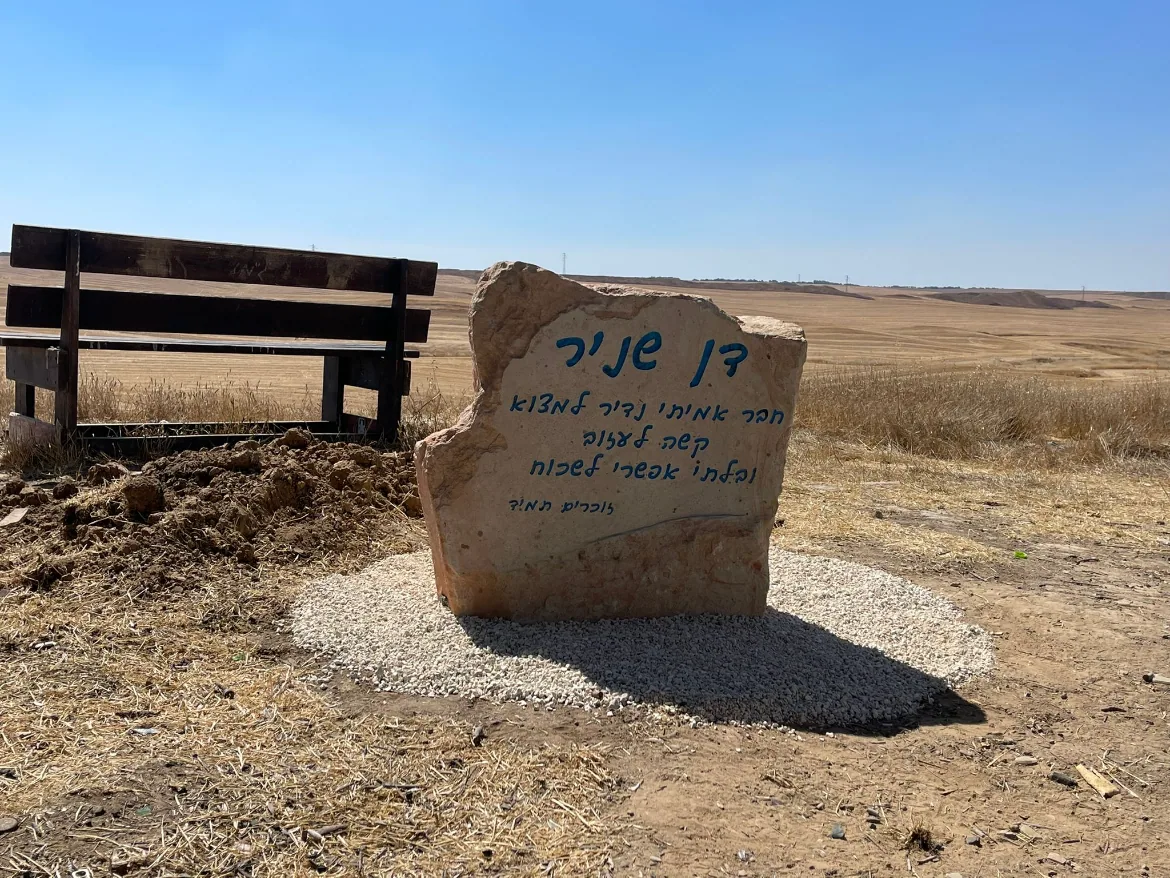
Imagine a family whose shared memory is a morning walk along the same path to a bench overlooking fields. The siblings remember the stopping point most clearly. The grandchildren remember a question the person used to ask before turning back. On one page, they note which aspects of the memory could be experienced on site and which words they would like to keep in a family letter. This helps them see what the two versions of the story have in common.
The first sketch shows a low stone facing the view, with an engraved line that recalls a bend in the path. The second places the memorial stone beside an existing seat so visitors can read while they rest. The family visits at the time they used to walk and tries both stopping points. They consider where they can see the fields, where they can pause comfortably and which spot would feel natural for someone visiting alone. You can try a similar comparison with the guide to choosing a memorial location.
Compare two sketches from a visitor’s point of view
A screen image can emphasize the form while leaving the surroundings outside the frame. Ask for a sketch that shows the stone's height next to a standing person, the surface it will sit on and where visitors would stand to read. Compare both options from the same viewpoint and at the same scale. At the site, hold up a printout of the inscription at its approximate size, photograph it from the path and look at it up close. Check how the memorial would look to someone approaching from the opposite direction as well.
You can choose a form you like and leave the material open until you see a physical sample. Ask which parts of the sketch will have the greatest effect on fabrication, finishing and installation. If you need to adjust the budget, look at one proposed change at a time and see whether it also changes the experience you chose. This makes it easier to understand why a particular detail was dropped and which parts of the original idea remain. How to compare quotes for a memorial.
A family worksheet before approving the design
Before approving work in the chosen material, gather your decisions on one page. Fill it out together at a meeting or share a short version with relatives who could not attend. These questions help explain the choices to someone seeing the sketch for the first time.
- If a visitor leaves remembering one detail about the person, what would you want that detail to be?
- What will visitors see first, and where can they stop to read or sit?
- Which word, picture or form expresses the memory, and who reviewed it before approval?
- What will stay in the family album or in family conversations, even if you choose to allude to it in the design?
Before signing off, read the final version twice. The first time, look at it as someone who knew the person well. Check whether a detail brings back something of the character you loved. The second time, imagine coming across it by chance and follow the order in which your eye meets the name, form and inscription. This helps reveal whether the heading gives context, whether the reading point is a comfortable place to stop and whether all the parts work together.
What to bring to the first design meeting
You can bring a single photograph, a story often told at home or a description of the proposed site. If some relatives live far away, invite them to send a few lines before the meeting. Note what is still open as well, such as whether the place is better suited to sitting or to a brief stop along a route. The page on designing memorials and remembrance sites explains how these choices carry through the conversation, sketch and installation.
End the meeting by recording what remains open, which direction you would like to see sketched and who in the family will review the next version. When the first drawing arrives, you can ask whether it captures how you would like to share the memory in this place.